
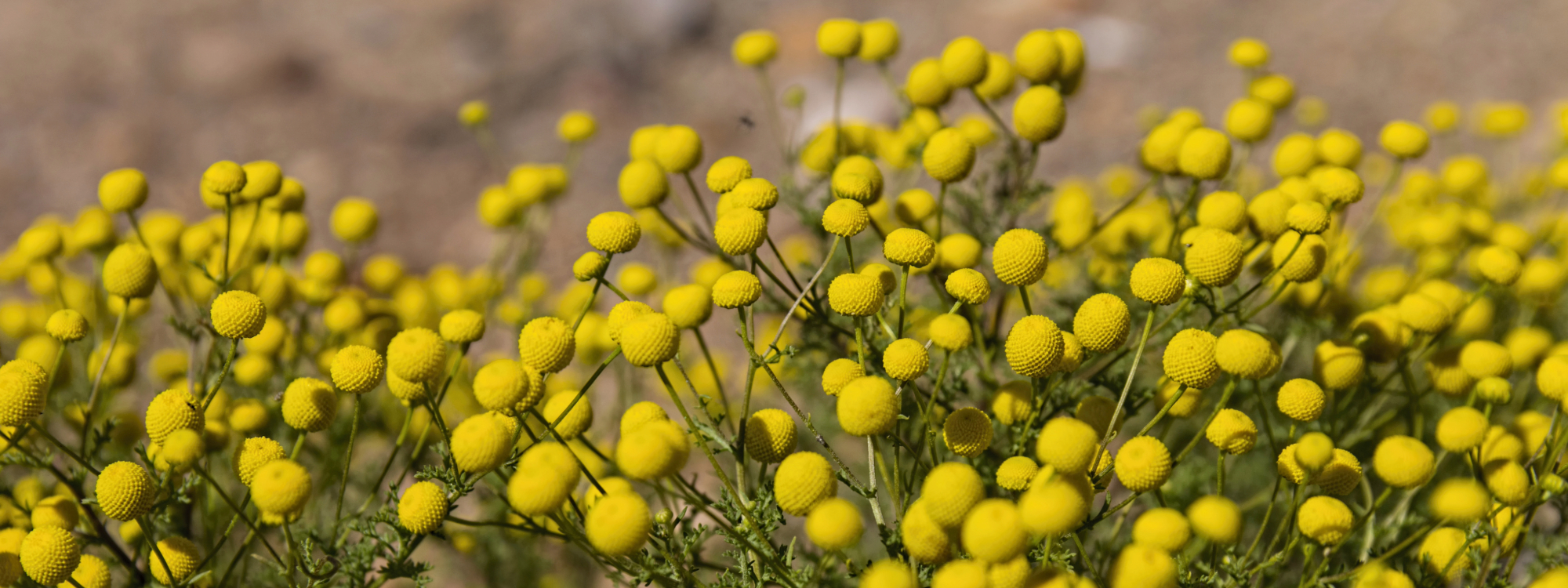
Desert weeds are hearty and know how to survive on next to nothing. But there’s an even peskier weed that’s made its way to Arizona and is taking over the natural landscape. Keep reading to learn why stinknet is such a threat and how you can help keep it out of Blossom Rock and your own yard.
What is it?
Stinknet — also known as globe chamomile or stinkweed — is a highly invasive winter weed native to South Africa and a member of the sunflower family. Growing up to two feet tall, it’s easily recognized by its round, bright yellow flowers, dark green, feathery “carrot-like” leaves, and its unmistakable, unpleasant odor. While its vibrant colors may seem appealing at first, don’t be fooled — it’s quickly spreading across Arizona and causing serious harm to the local ecosystem.
Why is it popping up everywhere?
Stinknet made its way to southern California before reaching Arizona in 1997. Originally imported as an ornamental plant and decorative filler for floral arrangements, it first showed up in the metro Phoenix area and has since spread across southern Arizona. This invasive, pungent weed grows between November and March, especially after winter rain. It blooms from February to May, then dries and dies, turning from yellow to brown. At this stage, its seeds are exposed and easily spread. Without a deterrent like native wildlife, it can grow unchecked and create fuel for summer wildfires.
What’s the concern?
The weed has become a major problem throughout the Sonoran Desert. It grows rapidly in dense patches, crowding out native plants and preventing them from germinating and thriving. By depleting soil resources, stinknet not only outcompetes native vegetation but also reduces wildlife habitats. These thick, continuous patches of stinknet feed wildfires, causing the fires to spread much farther than they would in a healthy native ecosystem.
Dry stinknet is highly flammable. It burns hot and fast which increases the frequency and intensity of the fires. It also releases toxic smoke with a nasty odor, and both its pollen and smoke can cause skin and respiratory issues.
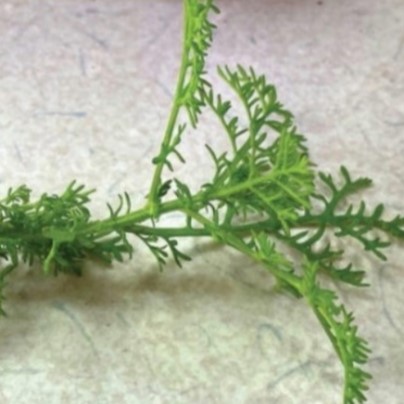
Stage 1
Before stinknet has flowered, it can be identified by its pungent green carrot-like leaves.
Credit: Nancy Mumpton
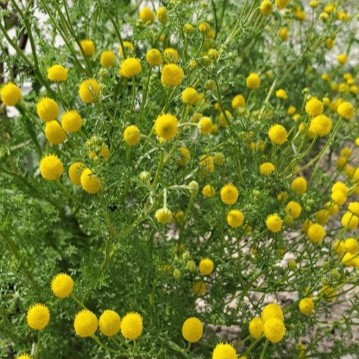
Stage 2
Once it has flowered, stinknet can be identified by its bright yellow round flowers which accompany the green carrot-like leaves.
Credit: Desert Defenders
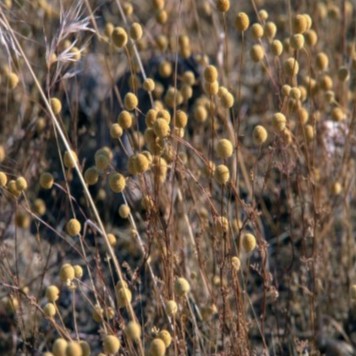
Stage 3
Once stinknet has gone to seed, it loses its leaves and turns brownish-tan.
Credit: Sean Krieg
How can it be stopped?
County, state, and federal organizations, like the U.S. Fish and Wildlife Service, National Park Service, and the University of Arizona, strongly recommend the removal of stinknet when you see it.
The best way to keep stinknet from spreading is by eliminating it before it dries and turns to seed in the early summer. It doesn’t seed until the flowers at the top of the plant have bloomed, so timing is key. Stinknet seeds can easily spread when carried by the wind or attached to clothing, shoes, or pets.
In your own yard, it’s important to eliminate stinknet as soon as you see it, before the yellow flower buds form. Be sure to dig out the entire plant, roots and all, and place any flowering parts in a bag to prevent seed dispersal. If you throw it away without bagging it, it will grow in the landfills and spread even further. Pro tip: use a hoe or rake for easier removal. It’s also recommended that you wear gloves or a mask, especially if you have sensitive skin or lungs.
It can be tough to get rid of stinkweed because it’s resistant to some herbicides, but try applying one like glyphosate with methylated seed oil before the stinknet starts to flower. If the herbicide is applied after flowering, it may not be as effective.
Keep an eye out for stinknet while you’re driving, hiking, playing at the park, or walking your dog. If seeds get stuck to your tires, shoes, or your pet’s paws, they can easily spread to other areas.
Check this map to see where stinknet has been found around Arizona, and report any sightings or removals via Survey123 (be sure to include a good photo if possible).
You can also find out more about stinknet through the University of Arizona and the Central Arizona Conservation Alliance.
What if I see stinkweed in Blossom Rock?
Please submit a Community Concern Form ASAP if you see stinknet in your area of the neighborhood, such as at a neighborhood park or other common area. If stnknet pops up in your yard, including in the parkway zone (the area between the sidewalk and the street), please carefully eliminate it using some of the tactics mentioned above. Not sure what to do? Let us know.