
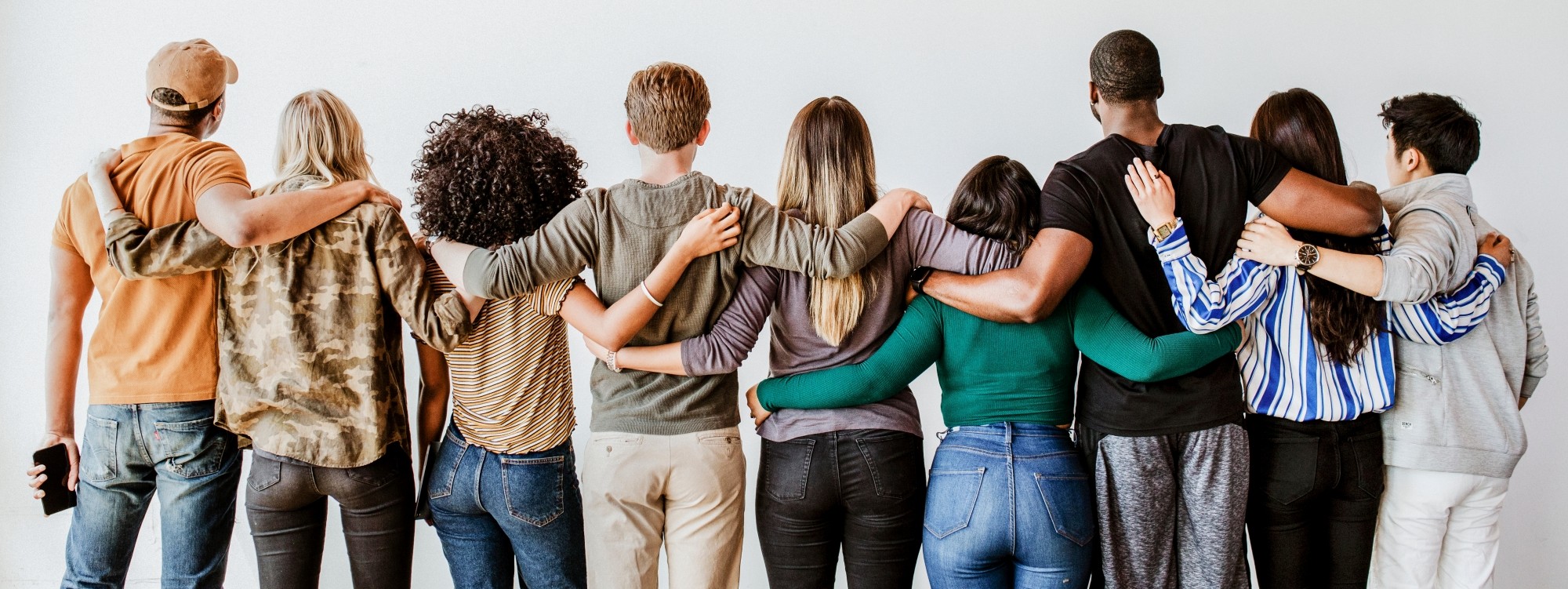
We can have hundreds of social media connections, a group chat that never stops buzzing, and nearly anything delivered without opening the front door.
So why are so many people feeling alone?
Loneliness has become common enough to earn a troubling name: the loneliness epidemic. It affects people of every age and background, including those surrounded by others every day. Because loneliness isn’t necessarily about being alone. It’s about feeling unknown, disconnected, or as though we don’t quite belong.
Solitude can be restorative. A quiet morning, an evening on the patio, or a walk with only the dog for company may be exactly what we need. Loneliness is different. It is the feeling that no one would notice if we didn’t show up.
Cohere has made addressing the loneliness epidemic an important organizational goal. It’s a big challenge without a simple solution, but we believe communities like Blossom Rock can be part of the answer.
In The Neighborhood Effect, Issue No. 3, Cohere leaders and contributors explore how the places we live can shape our well-being, relationships, and sense of belonging. One message comes through clearly: When neighborhoods create natural opportunities for people to cross paths, participate, and contribute, connection can become part of everyday life.
But creating the space is only the beginning.
We’re connected, but are we connecting?
Modern life is wonderfully convenient. We can work, shop, eat, exercise, and entertain ourselves without ever having a meaningful conversation with another person. Social media lets us watch hundreds of lives unfold through a screen, often creating the illusion of connection without the vulnerability or attention that real relationships require.
Technology has also trained us to expect constant novelty. When the next video, post, or distraction is always one swipe away, slowing down long enough to listen, sit together, or work through an uncomfortable moment can feel harder than it once did. Genuine connection cannot always be condensed into a minute. It takes time, patience, presence, and mutual effort.
At the same time, many people are exhausted. A culture that celebrates self-sufficiency, constant productivity, and hustle can leave little energy for friendship or community. When people are working just to keep up, protecting their peace may begin to look like retreating from everyone around them.
None of this means streaming, doorstep delivery, remote work, or social media is inherently bad. We’re fans of convenience, too. But when enough small interactions disappear, it becomes easier to live beside one another without truly knowing one another.
A collection of houses can exist without connection. A community cannot.
Building more than homes
Blossom Rock is still being built, which gives all of us a rare opportunity. We aren’t simply moving into an established neighborhood and learning how things have always been done. Together, we are deciding what kind of community this will become.
Will we recognize one another on the walking paths? Will new residents feel welcomed? Will people feel comfortable attending an event alone? Will we notice when someone hasn’t been around lately?
The answers won’t come from street plans or amenity maps alone. They will come from us.
Community is built in ordinary moments: neighbors talking beside a food truck, families meeting at the pool, someone holding the gate at Ruff Ranch, or two people discovering they have more in common than an address and an impressive collection of desert dust. Those moments create familiarity. Familiarity creates trust. And trust creates belonging.
That’s when a neighborhood begins to feel like home.
Connection needs more than a place
Cohere helps create opportunities for connection through shared spaces, community events, resident-led clubs, food truck nights, and experiences designed to bring people together.
Those gathering places matter. But a clubhouse is only a building until people fill it with conversation, and an event is only a date on the calendar until someone decides to attend. Infrastructure can open the door; it cannot walk us through it.
We can create the invitation, set out the chairs, and make sure the food trucks know where to park. The community itself comes from what happens next. Every time you attend an event, welcome someone new, introduce two neighbors, or make room at your table, you help create a place where people feel seen.
The courage to show up
Showing up can feel awkward. Walking into an event alone is uncomfortable. Introducing yourself to a stranger takes effort, especially when staying home is easier and our phones offer an endless escape from that discomfort.
But someone else is probably standing nearby, thinking the same thing.
Belonging doesn’t always arrive before we participate. Often, it grows because we participate. At the first event, everything may feel unfamiliar. At the second, you recognize a face. By the third, someone waves you over.
You don’t have to become the neighborhood social butterfly or organize a block party by Friday. Meaningful connection can begin with something simple:
- Say hello during your next walk.
- Learn a neighbor’s name and remember it.
- Invite someone to join you at a community event.
- Sit beside someone new instead of defaulting to the people you already know.
- Check in on a neighbor you haven’t seen lately.
- Ask, “How are you?” and stay long enough to hear the answer.
A five-minute conversation may feel insignificant to you. To someone who has felt invisible all week, it may be the brightest part of their day.
Neighboring is a verb
It’s easy to think of “neighbor” as a location: the person who lives next door, across the street, or three houses down. But what if we treated neighboring as something we do?
Neighboring means noticing, including, and extending an invitation without knowing whether it will be accepted. It means offering help when we can and remembering that every front door opens into a life we know very little about.
It doesn’t mean everyone must become best friends. Connection can be a deep friendship, but it can also be the reassuring familiarity of knowing there are people nearby who recognize you and would notice if you needed help.
Sometimes, belonging begins with nothing more complicated than, “Good to see you.”
Let’s grow together
The loneliness epidemic did not arise simply because we need more events or gathering spaces. It is tied to larger changes in how we work, communicate, spend our attention, and move through the world. Solving it will require more than filling a calendar.
Still, community is one place where we can begin.
At Blossom Rock, we have the chance to create a neighborhood in which people feel welcomed, valued, and connected, one introduction, one invitation, one shared table, and one friendly wave at a time.
So, come to the event. Pull up a chair. Put the phone away for a few minutes. Learn a new name. Say hello first. And if you see someone standing alone, make a little room.
Your next great connection may be waiting just across the street… possibly holding tacos.